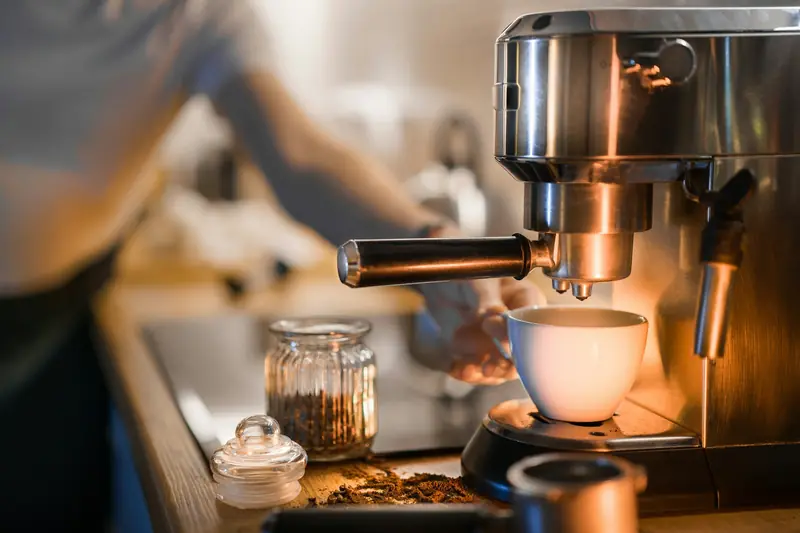
Best Espresso Machines for Beginners
An espresso machine pushes hot water through finely ground coffee, so the choices that matter are how much of the work it does for you and how it handles milk. This page is for first-time buyers deciding between a hands-on machine and one that grinds and brews at the touch of a button. Settle two things first: whether you want a steam wand, and whether you will buy a separate grinder.
Jump to section
What we look for
Ease of use
presets handle dosing and timing for you, while manual machines teach you the shot.
Grinder: built in or separate
espresso needs a fine, consistent grind, so you either buy a machine that grinds or budget for a grinder.
Milk system
a steam wand gives control, and an automatic system gives consistency.
Heat-up time and temperature stability
the standard describes a brew temperature and pressure a machine should reach.
Descale alerts and cleaning
scale and coffee oils build up in every machine, and an alert tells you when to act.
- Sources: manufacturer product pages, manuals and warranty terms, plus the NCA espresso guide and the traditional Italian espresso specification for what an espresso machine should be able to do.
How to choose the right espresso machine
Espresso machines range from fully manual to push-button. If you are new to this, start with our guide to making espresso at home, then see machines under $500 if budget is the main limit.
Ease of use
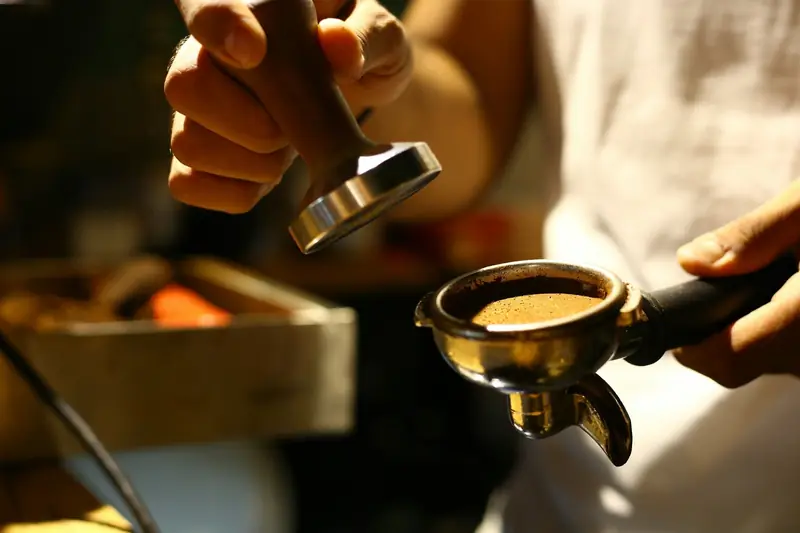
Look at the machine type spec first. Manual and semi-automatic machines leave dosing, tamping and timing to you, which is rewarding but takes practice. Super-automatic machines handle those steps for you. NCA describes the manual routine as distributing the grounds evenly, then tamping them into a compact puck (NCA). If you want that routine, our guide to making espresso at home walks through it.
Grinder: built in or separate
NCA calls the espresso grind fine, like table salt (NCA). A built-in burr grinder saves counter space. A separate grinder takes more room but can be upgraded later and used for other brew methods. Check the built-in grinder column in the table, and compare separate options in our guide to espresso grinders.
Milk system
If you drink lattes or cappuccinos, the milk system is as important as the coffee side. A steam wand lets you texture milk by hand and rewards practice. An automatic system froths at a button press. If you only want foam, a separate milk frother can be cheaper than a machine with a built-in system.
Heat-up time and temperature stability
The traditional Italian espresso standard calls for water at the group between 90 and 96°C and pressure of at least 8 bar (COMITCAF). Listings rarely say how a machine holds temperature, so use the heating system column as a clue and check the manual for the warm-up routine. The pump pressure we list is the maker's figure, not a measurement.
Descale alerts and cleaning
Hard water forms scale when heated (USGS), so a descale alert is a practical feature. For coffee makers in general, NCA says major manufacturers recommend descaling at least every 3 to 6 months (NCA). Follow your machine's prompts and our descaling guide.
Tips for using your espresso machine
- Buy or plan for a grinder before you buy the machine: espresso needs a fine grind, "like table salt", according to the NCA.
- A scale makes it easy to hit a ratio of about 1 g of coffee to 2 g of espresso (NCA).
- Read the descaling guide before you buy, so you know what upkeep the machine will need.
- For the first weeks, aim for a shot of about 20 to 30 seconds of contact time (NCA). A machine with presets takes some of the guesswork out while you learn.
- NCA says major manufacturers recommend descaling at least every 3 to 6 months (NCA). Where a machine has a descale alert, follow it, and use our descaling guide for the general routine.
FAQ
What pressure does espresso need?
The traditional Italian espresso standard asks for at least 8 bar at the group (COMITCAF). Makers often list pump pressure, but that is their figure and not a measurement of what reaches the coffee.
How long should a shot take?
NCA describes about 20 to 30 seconds of contact between the water and the coffee (NCA).
Do I need a separate grinder?
Espresso needs a fine grind, "like table salt" (NCA). You can buy a machine with a built-in burr grinder, or buy a separate grinder and pair it with the machine.
How often should I descale?
Follow your machine's alert first. As a general guide for coffee makers, NCA says major manufacturers recommend descaling at least every 3 to 6 months (NCA).
Related
-
Buying guide
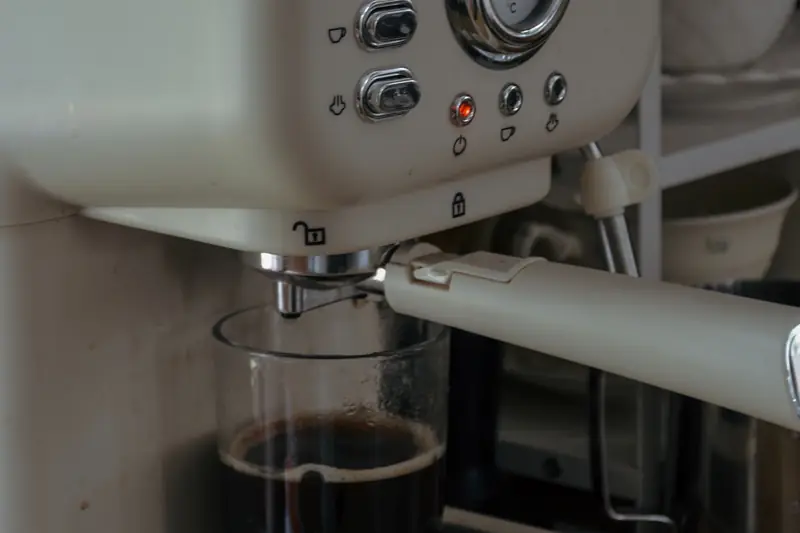
Best Espresso Machines Under $500
Temperature control, steam, baskets and warranty for budget machines.
-
Buying guide
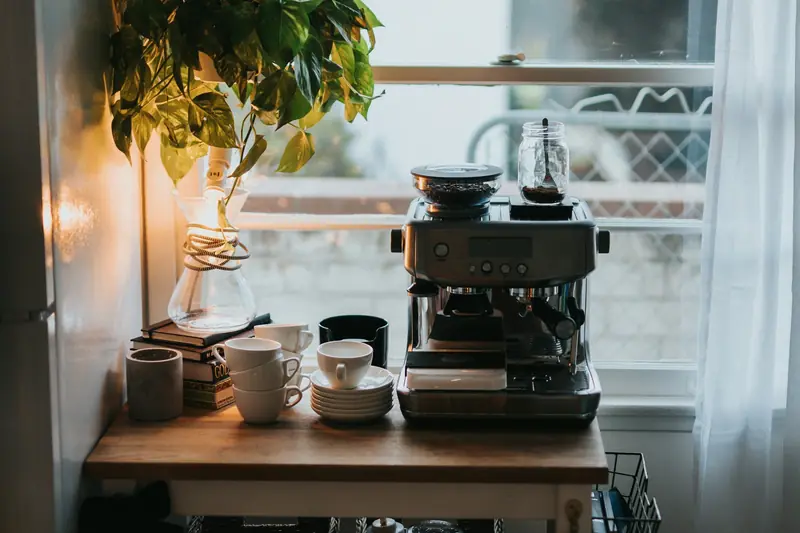
Best Espresso Machines with a Built-In Grinder
Grind settings, dose control, milk system and footprint, compared.
-
Buying guide
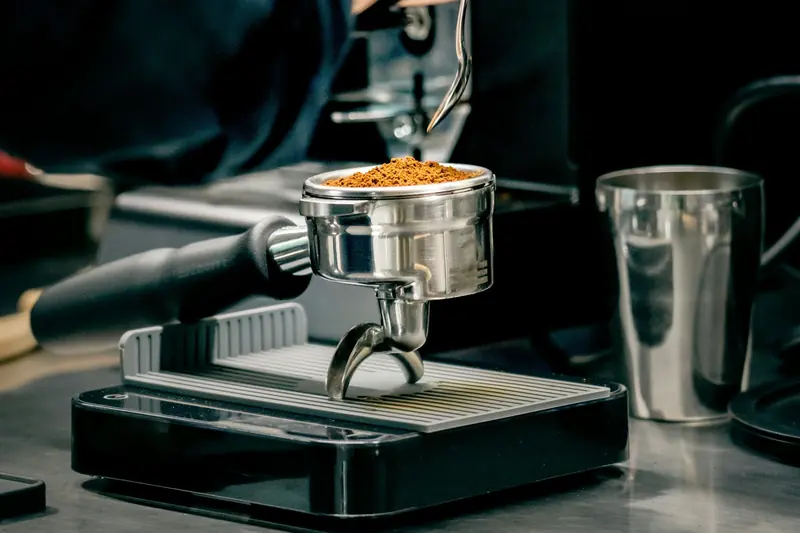
Best Grinders for Espresso
Burr size, fine adjustment, dosing and retention for espresso.
-
-
Guide
How to Make Espresso at Home with a Machine
The numbers, the steps and the cleanup for your first espresso shots.
-
Guide
How to Descale a Coffee Maker (Drip, Espresso and Pod)
Why scale builds up, how often to descale and what to check in your manual.
Get the Brew Ratio Cheat Sheet
A printable one-page sheet with the ratio, grind, time and temperature for drip, pour-over, French press, cold brew and espresso. Free, and sized for the cabinet door.