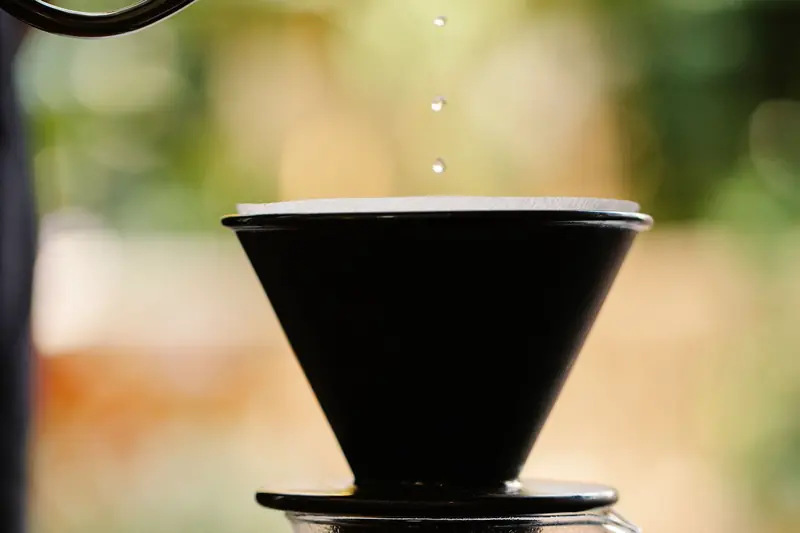
Best Pour-Over Coffee Makers and Drippers
A pour-over dripper holds the filter and coffee while you pour the water, so you control the pace of every brew. The choices that matter are the dripper's shape and material, the filters it uses and whether you want a single cup or a carafe. This page is for people who want more control than an automatic machine gives.
Jump to section
What we look for
Dripper shape and flow
the shape and the holes decide how fast water passes through the coffee.
Material
ceramic, glass, steel and plastic hold heat and wear differently.
Filter type and availability
you will keep buying filters, so check what the dripper uses.
Capacity
pick a size that matches how much you brew at once.
Stand, carafe and cleanup
included parts and easy cleaning decide how often you will use it.
- Sources: manufacturer product pages, manuals and warranty terms, plus the NCA pour-over guide.
How to choose the right pour-over brewer
Pour-over rewards a little routine. If you are weighing it against an automatic machine, read pour-over vs drip coffee, and use our ratio chart for the numbers. Our gooseneck kettle guide covers the pouring side.
Dripper shape and flow
Drippers differ in their cone or flat shape and in the number and size of their holes. A faster flow shortens contact time, and a slower flow lengthens it. NCA puts total pour-over time at 2 to 4 minutes (NCA), so check the flow design column and the maker's description of how it behaves. A beginner-friendly dripper is one that gives steady results without much technique.
Material
Ceramic and glass are easy to see and clean, but can break. Steel is durable and travels well. Plastic is light and cheap. Check the material column and the dishwasher-safe column, and read the maker's care notes. If you plan to travel with it, steel is the material to look at first, and the included items column shows whether a case or filters come with it.
Filter type and availability
Paper filters are widely sold and give a clean cup. Reusable metal or cloth filters cut ongoing cost but need cleaning. Check the filter type column, and make sure the size is easy to find before you buy. If you buy a dripper that takes an unusual filter size, make sure you can find refills before you buy.
Capacity
Capacity is listed in ounces. A single-cup dripper suits one drinker. A carafe-style brewer suits a pair or a household. For a pour-over ratio of 1 g of coffee to 13 to 16 g of water (NCA), work out the coffee you need from the capacity you want. If you usually make two mugs, pick a size with room for the water you need rather than the smallest one.
Stand, carafe and cleanup
Check whether a carafe or stand is included, or whether your own mug will fit under the dripper. Pair it with a gooseneck kettle for a controlled pour, and a burr grinder for an even grind. Check the included items column so you know whether you still need to buy a carafe or a scale.
Tips for using your pour-over brewer
- Use a medium grind to start and adjust, as NCA advises (NCA).
- A scale and a timer make pour-over repeatable; see our coffee-to-water ratio guide.
- Pour in slow circles over the coffee, and stop when you reach the water weight you planned.
- Keep the same grind and ratio for a few brews, and change one thing at a time when you adjust.
- Read the maker's care notes for your dripper before the first brew.
- NCA lists pour-over at a ratio of 1 g of coffee to 13 to 16 g of water, with a medium grind and a total time of 2 to 4 minutes (NCA). Check that the dripper's size suits the batch you brew.
- Start with a bloom of 30 to 45 seconds using twice the coffee's weight in water (NCA). A dripper with a steady flow makes that easier, and a gooseneck kettle can help with the pour.
FAQ
What coffee-to-water ratio should I use?
NCA gives 1 g of coffee to 13 to 16 g of water for pour-over (NCA). Start in the middle and adjust to taste.
How hot should the water be?
About 93 ± 3°C, or roughly 194 to 205°F. NCA cites the SCA standard for that range (NCA).
How long should a pour-over take?
NCA gives 2 to 4 minutes in total. It starts with a 30 to 45 second bloom, using water at twice the weight of the coffee (NCA).
Do I need a gooseneck kettle?
It helps because it gives you a slow, controlled pour, but it is not required. You can start with the kettle you already have.
Sources
Related
-
Buying guide
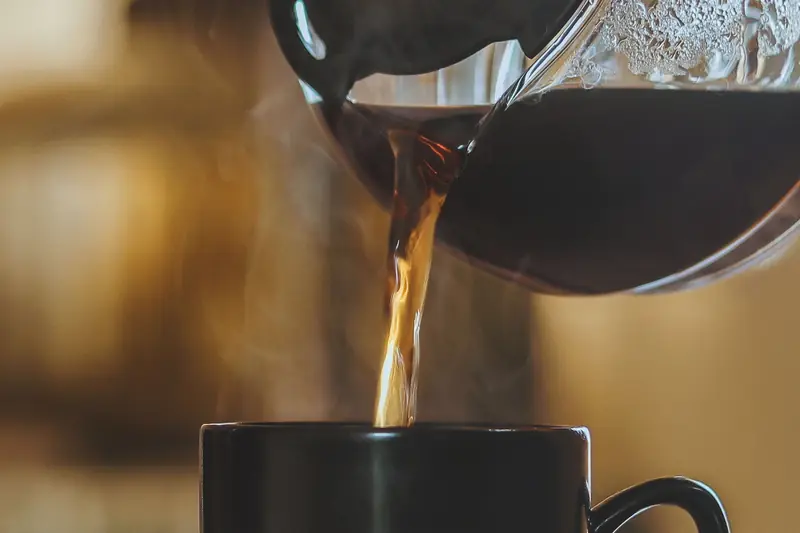
Best Drip Coffee Makers
Brew temperature, carafe, capacity and SCA certification, compared.
-
Buying guide
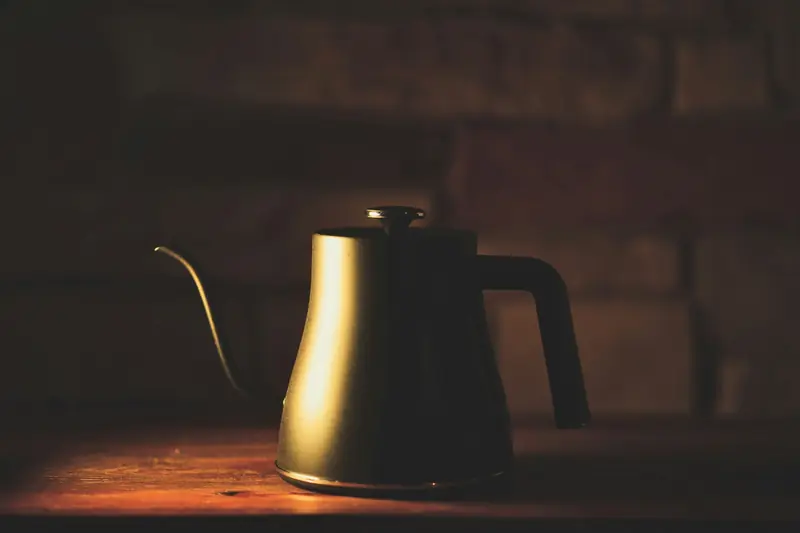
Best Gooseneck Kettles for Pour-Over
Temperature control, spout flow, capacity and materials, side by side.
-
Buying guide
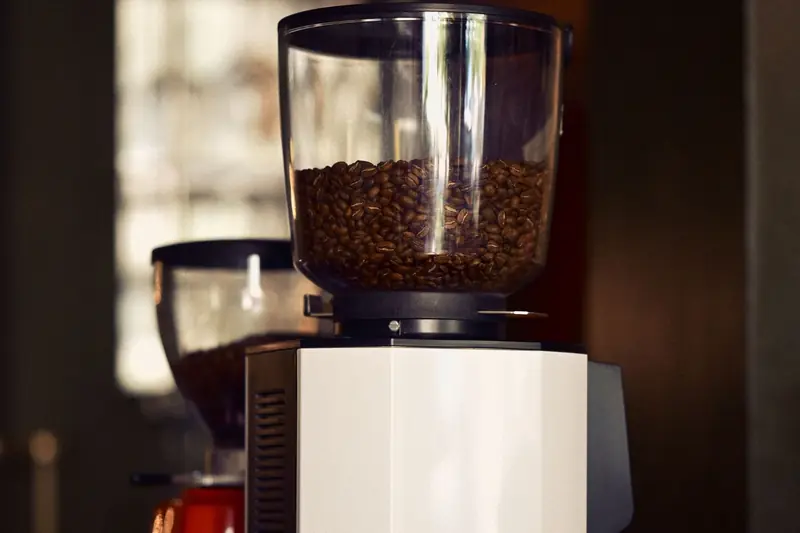
Best Burr Coffee Grinders for Home
Burr type, grind range, adjustment and retention, side by side.
-
-
Comparison
Pour-Over vs Drip Coffee: Taste, Time and Cost
Hands-on control or push-button coffee: ratio, time and cleanup compared.
-
Guide
Coffee to Water Ratio: A Simple Chart for Every Brew Method
Ratio, grind, time and temperature for five brew methods, in one chart.
Get the Brew Ratio Cheat Sheet
A printable one-page sheet with the ratio, grind, time and temperature for drip, pour-over, French press, cold brew and espresso. Free, and sized for the cabinet door.