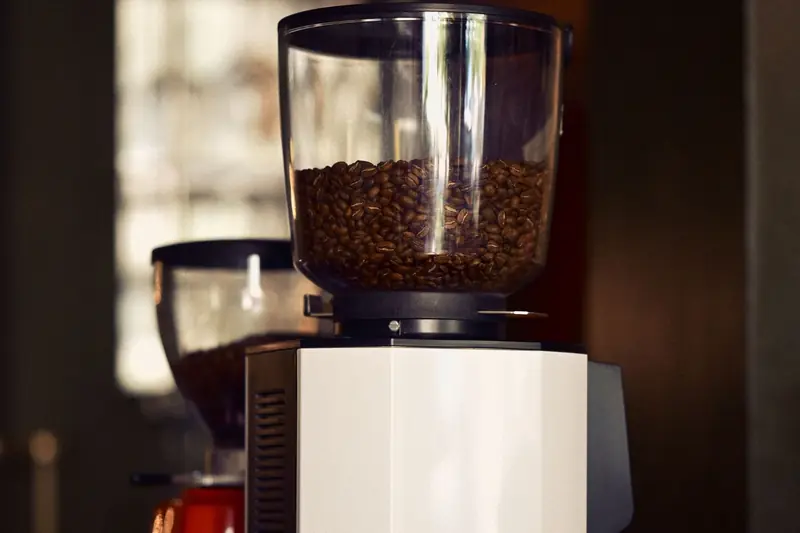
Best Burr Coffee Grinders for Home
A burr grinder crushes coffee between two burrs to a set size, which is why it gives a more even grind than a blade. The decisions that matter are the burr type, whether the range covers your brew methods, and whether you want electric speed or manual quiet. This page is for anyone grinding at home for drip, pour-over or French press.
Jump to section
What we look for
Burr type and material
the burrs do the cutting, so their shape and material set how even the grind is.
Grind range for your methods
a grinder only helps if its range covers the brews you make.
Stepped or stepless adjustment
finer steps make it easier to fine-tune a grind.
Consistency, retention and static
less grounds left behind and less mess keep each dose predictable.
Manual or electric
manual grinders are compact and quiet, and electric grinders are fast.
- Sources: manufacturer product pages, manuals and warranty terms, plus the NCA grind-size table.
How to choose the right burr coffee grinder
Pick the grind range first, then the format. If you brew pour-over, our coffee-to-water ratio guide shows the numbers to aim for. For espresso, see the espresso grinder guide. If you are not sure a burr grinder is worth it, read burr vs blade grinders first.
Burr type and material
Burrs come as conical or flat sets, and they are made from steel or ceramic. Check the burr type and material columns and read the maker's own description of what each is meant to do. Our burr vs blade guide explains why burrs beat blades for even results. Ceramic and steel are both common, so use the material column to see what each listing says and read the maker's notes on care.
Grind range for your methods
NCA's grind guide runs from coarse for French press, "like rock salt", through medium for drip, "like kosher salt", to fine for espresso, "like table salt" (NCA). Check the suited methods column and our grind size chart to match your brewer.
Stepped or stepless adjustment
Stepped grinders click between fixed settings. Stepless grinders let you move in tiny increments. Stepped is easier to repeat. Stepless is better for fine-tuning, especially for espresso. Settings numbers are not comparable between brands. If you switch between brew methods often, a stepped grinder with numbered settings makes it easier to return to a setting that worked.
Consistency, retention and static
Retention is the coffee that stays inside the grinder after you finish. Listings rarely state it, so read the maker's description and look for design features such as a grounds bin or an anti-static feature. Manufacturer claims are labeled as such on our pages. A grounds bin that fits the machine well and a simple way to wipe out old grounds both make a grinder easier to live with.
Manual or electric
Hand grinders suit one or two cups and travel well, but take effort. Electric grinders save time and handle larger batches. Check the motor column, hopper size and weight, and compare the grinder's footprint against your counter.
Tips for using your burr coffee grinder
- Match the grinder to your most-used method, and use the grind size chart to check coverage.
- Weigh your coffee. NCA's Golden Ratio is 1 to 2 tablespoons of ground coffee per 6 oz of water (NCA), and a scale makes it repeatable.
- Clean the burrs following the manual, so old grounds do not mix with fresh.
- Look at the warranty column too, because a grinder has moving parts that wear.
- NCA pairs grind with method: coarse for French press, medium for drip and fine for espresso (NCA). Compare each pick's grind range with the methods you actually use.
- A burr grinder is only half of the recipe. NCA's Golden Ratio is 1 to 2 tablespoons of ground coffee per 6 oz of water (NCA), and our ratio chart covers the other methods.
FAQ
Why choose a burr grinder over a blade grinder?
A burr grinder cuts beans to a set size, so the grounds come out more even. A blade grinder chops unevenly, which makes it harder to control how a brew tastes. Our burr vs blade guide compares them side by side.
Which grind size suits which brew method?
NCA describes French press as coarse, like rock salt, drip as medium, like kosher salt, and espresso as fine, like table salt (NCA). Match your grinder's range to the methods you use most.
How much ground coffee should I use for each cup?
NCA's Golden Ratio is 1 to 2 tablespoons of ground coffee for every 6 oz of water (NCA). Start in the middle and adjust to taste.
Is a hand grinder worth buying?
A hand grinder is compact and quiet, so it suits one or two cups and small kitchens. If you brew larger batches or want speed, an electric grinder saves the effort.
Related
-
Buying guide
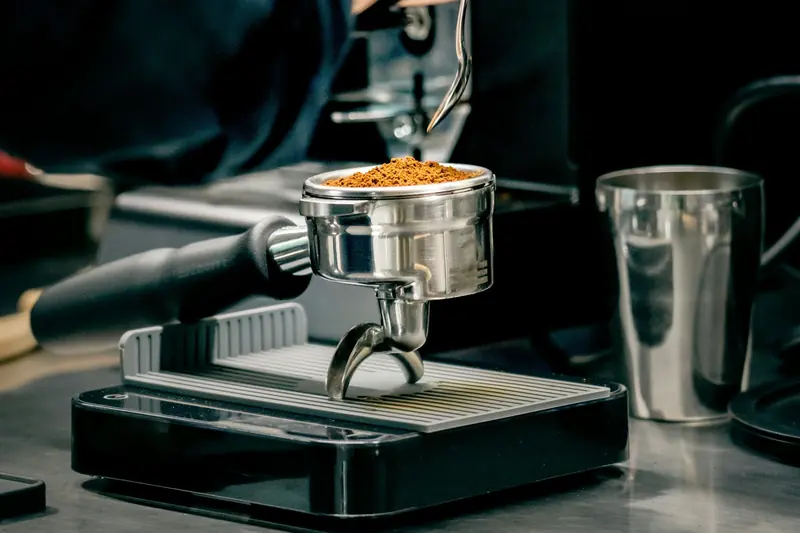
Best Grinders for Espresso
Burr size, fine adjustment, dosing and retention for espresso.
-
Buying guide
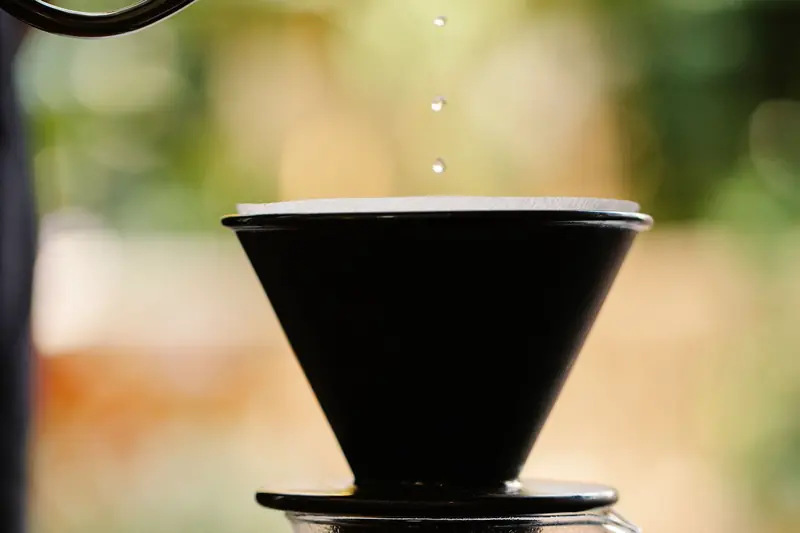
Best Pour-Over Coffee Makers and Drippers
Dripper shape, material, filters and capacity, side by side.
-
Buying guide
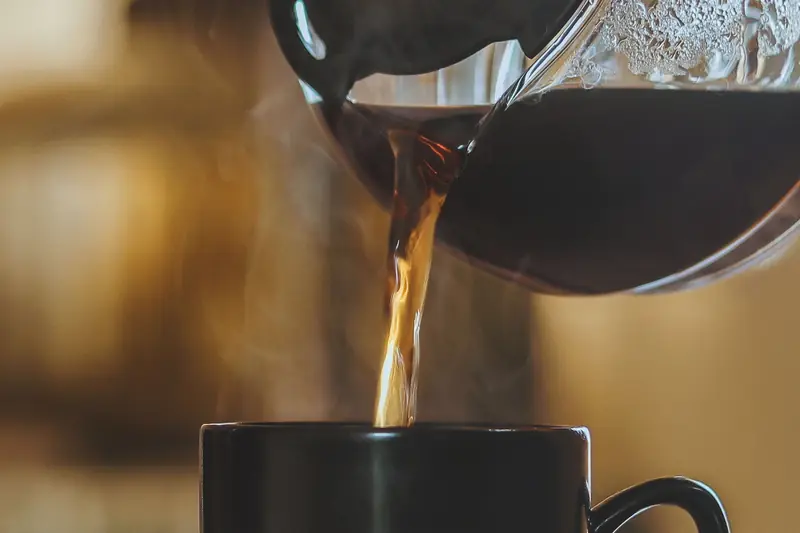
Best Drip Coffee Makers
Brew temperature, carafe, capacity and SCA certification, compared.
-
Comparison
Burr vs Blade Coffee Grinder: Is a Burr Grinder Worth It?
Even grinds and adjustability, or a simple chopper: which fits you.
-
Guide
Coffee Grind Size Chart: From Espresso to Cold Brew
Which grind each brew method wants, with contact times and taste fixes.
-
Guide
Coffee to Water Ratio: A Simple Chart for Every Brew Method
Ratio, grind, time and temperature for five brew methods, in one chart.
Get the Brew Ratio Cheat Sheet
A printable one-page sheet with the ratio, grind, time and temperature for drip, pour-over, French press, cold brew and espresso. Free, and sized for the cabinet door.