Burr vs Blade Coffee Grinder: Is a Burr Grinder Worth It?
A burr grinder crushes coffee between two surfaces set a fixed distance apart. A blade grinder spins a blade that chops the beans. That one difference changes how even the grounds are, and how well you can match the grind to your brewer. Here is how the two compare, and who should buy each.
Burr grinder: the better choice if…
- You brew with more than one method and want to change the grind.
- You want an even grind so the cup tastes the same each day.
- You make espresso, or plan to.
Blade grinder: the better choice if…
- You want the simplest, smallest tool on the counter.
- You grind only now and then and are not fussy about the result.
- You are also grinding spices and want one cheap tool.
Jump to section
At a glance
| Point | Burr grinder | Blade grinder |
|---|---|---|
| Grind consistency | Set size, more even | Chops unevenly |
| Adjustability by method | Settings from coarse to fine | Time only; no fixed size |
| Speed and noise | Varies by model | Quick for small amounts |
| Price | Higher to start | Usually lower |
| Cleaning | Burrs and hopper to clean | Simple bowl; few parts |
| Best for | Daily home brewing | Occasional grinding |
Grind consistency
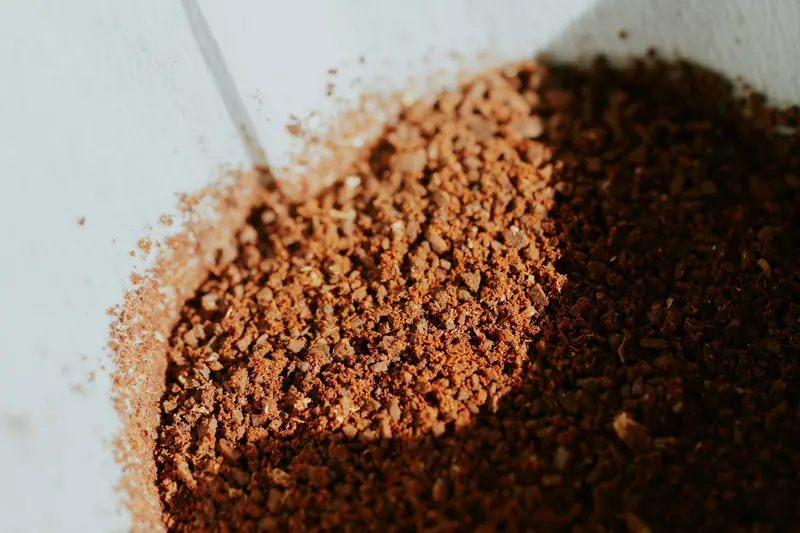
Burr grinders grind to a set size. Blade grinders chop unevenly, so the grounds come out in mixed sizes. That makes a blade grinder harder to match to a brew method, and it is the main reason to pick a burr grinder if you care about consistency.
Adjustability for each brew method
NCA lists French press as coarse, like rock salt; drip as medium, like kosher salt; and espresso as fine, like table salt (NCA). A burr grinder lets you choose among those sizes. With a blade, you control only how long you hold the button, so the result changes with each batch. See our grind size chart for every method.
Speed and noise
Electric burr grinders are quick, and hand grinders are quiet but slower. A blade grinder is quick for a small amount. If noise matters in the morning, check how the maker describes it and consider a manual grinder.
Price
Blade grinders usually cost less to buy. Burr grinders cost more, and prices change often. Check the current price on Amazon from our grinder pages before you buy.
Cleaning
A blade grinder has a simple bowl, so there is little to take apart. A burr grinder has more parts, and the manual tells you how to reach the burrs and clear old grounds. In both cases, follow the manual's cleaning steps for your model.
Who should buy each
Buy a burr grinder if you brew coffee most days, want to change methods or make espresso. A blade grinder is a reasonable choice for occasional use or for spices. If you are unsure, start with the grinder that covers the grind range of the brewer you own.
Which should you buy?
If you brew most days, buy a burr grinder; the consistency and adjustability are worth it. If you make espresso, go straight to our espresso grinder guide. A blade grinder is fine for an occasional pot or for spices.
Alternatives
Not sure which grind you need? Use the grind size chart. If you want to brew by weight, our coffee-to-water ratio guide gives the numbers.
FAQ
Do I need a burr grinder for espresso?
Espresso needs a fine grind, "like table salt", and a 20 to 30 second extraction (NCA), so an even, adjustable grind matters.
Can I use a blade grinder for French press?
You can, but the grind will be uneven. NCA lists French press as a coarse grind, like rock salt (NCA).
Is a hand grinder a burr grinder?
Many are, but not all. Look at the burr type in the specs before you assume.
Related
-
Buying guide
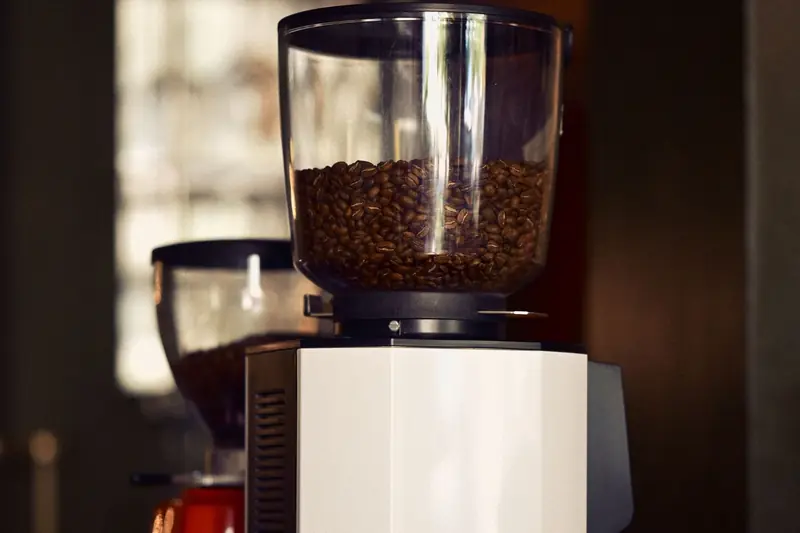
Best Burr Coffee Grinders for Home
Burr type, grind range, adjustment and retention, side by side.
-
Buying guide
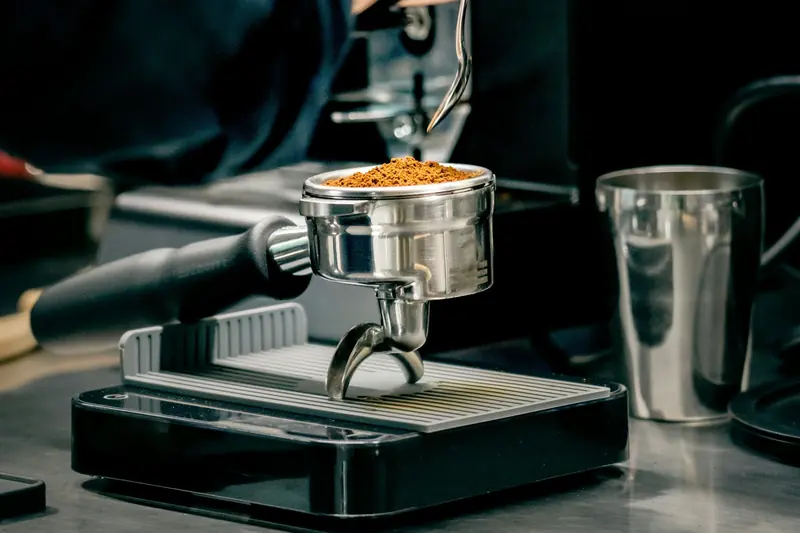
Best Grinders for Espresso
Burr size, fine adjustment, dosing and retention for espresso.
-
Guide
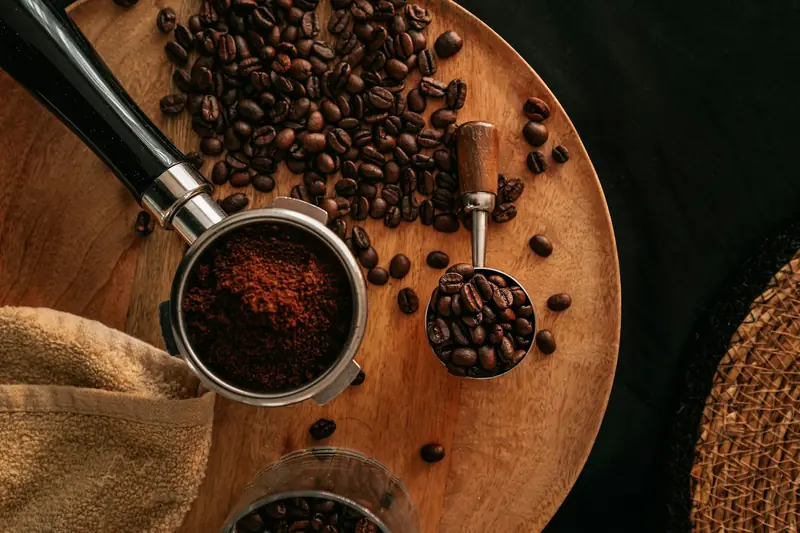
Coffee Grind Size Chart: From Espresso to Cold Brew
Which grind each brew method wants, with contact times and taste fixes.
-
Guide
Coffee to Water Ratio: A Simple Chart for Every Brew Method
Ratio, grind, time and temperature for five brew methods, in one chart.
Get the Brew Ratio Cheat Sheet
A printable one-page sheet with the ratio, grind, time and temperature for drip, pour-over, French press, cold brew and espresso. Free, and sized for the cabinet door.